
Key Takeaways
- Care where kids already are: School-based health centers bring medical, dental, and behavioral care directly to campus, so parents don’t have to leave work for routine appointments. Parents provide consent for care, and the center calls to confirm before procedures such as vaccinations or blood draws.
- Better health, better grades: Research links school-based health center access to improved attendance, higher GPAs, and fewer missed vaccinations and screenings.
- Mental health support built in: Having providers on campus makes it easier to catch and address stress, anxiety, and other concerns before they escalate.
- Comprehensive services under one roof: From sports physicals to dental checkups, students can access a wide range of care without leaving school.
- A local commitment to students: Mountain Family partners with area school districts to bring this model to campuses across Eagle and Garfield counties.
What Is a School-Based Health Center?
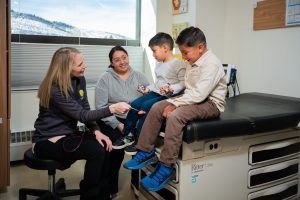
A school-based health center is a medical clinic located on or near a school campus, making it easier for students to get the care they need without leaving school. These centers often provide primary care, preventive services, mental health support, vaccinations, and treatment for minor illnesses and injuries. Some also offer dental, vision, or nutrition services, depending on the community’s needs.
By bringing health care closer to students, school-based health centers help reduce barriers like transportation, scheduling, and missed class time. They make it easier for children and teens to stay healthy, address concerns early, and focus on learning instead of worrying about untreated health issues.
Why Students Need Care Beyond the Traditional Clinic
Kids today are dealing with a lot. Between academic pressure, social dynamics, and the constant pull of screens, it’s not always easy for parents to catch every sign that something’s off. The pressures kids face from peers and social media can affect their well-being in ways that aren’t always obvious from the outside.
That’s where having care close by makes a real difference. When a provider is already part of a student’s daily environment, it’s easier to catch small concerns before they grow into bigger ones. Healthcare providers play a bigger role in mental health support than many people realize, and on-campus support isn’t something a family has to seek out during a crisis. It’s already there.
The Measurable Impact
The research backs this up. A CDC-led review found that students with access to a school-based health center had a 15.5 percentage point jump in immunization rates and a 12-point jump in preventive screenings. It also found a 70.6% drop in asthma-related hospitalizations among kids who used these centers.
The benefits don’t stop at physical health either. A 2026 study in Health Services Research found that after schools got a health center, mental health diagnoses dropped 6.6%, driven by fewer cases of depression, anxiety, and ADHD.
Better health also translates to better learning. Studies show that students who use school-based health centers see improved attendance and higher GPAs, particularly among those receiving mental health services.
What Services Look Like Inside a School-Based Health Center
So what actually happens at one of these centers? It’s more comprehensive than most people expect. A well-run program offers a full range of care under one roof, right on campus.
Here’s what students can typically access:
- Primary medical care: Students can get checkups, sick visits, and vaccinations without leaving school.
- Dental care: Many centers offer preventive and routine dental services to catch problems before they become painful.
- Behavioral health services: Trained counselors and therapists are available for stress, anxiety, and other concerns.
- Sports physicals: Athletic physicals and wellness exams are often bundled together, saving families a separate trip.
- General health counseling: Older students can access guidance on nutrition, healthy habits, and other personal health topics.
This setup means fewer gaps in care and fewer missed appointments.
How Mountain Family Brings This Model to Local Students
Mountain Family Health Centers has put this approach into practice across Eagle and Garfield counties. Working alongside local school districts, Mountain Family operates school-based health centers at several campuses (including Glenwood Springs High School, Avon Elementary School, and Roaring Fork High School), giving students year-round access to medical, dental, and behavioral care.
Every family deserves access to quality student health services, no matter their insurance status or ability to pay. That’s the philosophy driving this work. By bringing school health clinics directly into the places students already are, Mountain Family is helping remove the barriers that too often stand between kids and the care they need to thrive, both in school and beyond it.
Regular checkups matter too, and consistency is easier when care is close by. Schedule your child’s routine pediatric visit today to catch issues early, and take advantage of school-based care to help keep those visits on track.
About Mountain Family Health Centers
At Mountain Family Health Centers, we believe every child deserves care that goes beyond a single visit or a single symptom. Our integrated model brings together pediatric medical, behavioral, dental, and pharmacy care, so families get whole-person support in one place.
As a nonprofit, community-led organization, we see health care as a basic human right, not a privilege tied to insurance or income. We currently serve over 24,000 patients across the Western Slope, and we’re proud to walk alongside families no matter where they’re starting from.
Learn more about our services, find a provider near you, or schedule an appointment today.